
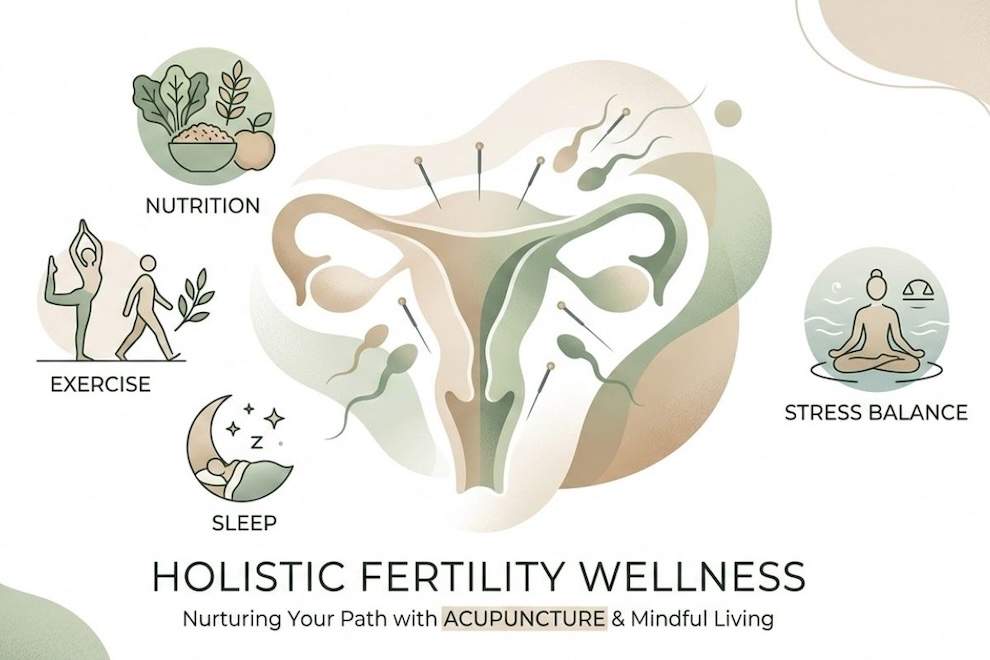
Fertility is often viewed as something mysterious or purely medical, but in reality it is deeply connected to everyday lifestyle habits. The way we sleep, eat, move, and manage stress has a direct influence on ovulation in women and sperm health in men. When daily routines align with the body’s natural rhythms, reproductive health tends to flourish. When those rhythms are disrupted, conception can become more challenging.
For couples trying to conceive, understanding the connection between lifestyle habits and fertility can be transformative. Holistic therapies such as acupuncture for fertility are increasingly recognized for their ability to complement medical care by restoring balance within the body and supporting reproductive health naturally.
How Daily Routines Influence Fertility
The human reproductive system is highly sensitive to lifestyle factors. Hormones, circulation, and cellular health all respond to the habits we repeat every day. Even small changes in routine can affect ovulation, sperm production, and the body’s overall readiness for conception.
Sleep and Hormonal Balance
Sleep is one of the most important regulators of hormonal health. During deep sleep, the body performs critical processes such as hormone regulation, cellular repair, and immune system support. Poor sleep quality or irregular sleep schedules can disrupt the hormonal signals that regulate ovulation and sperm production.
For women, disrupted sleep may lead to irregular menstrual cycles, delayed ovulation, or difficulty releasing mature eggs. In men, sleep deprivation can lower testosterone levels, which plays a vital role in sperm production and overall reproductive health. Consistent, restorative sleep helps maintain the hormonal balance necessary for healthy fertility.
Nutrition and Cellular Health
Every egg and sperm cell is built from the nutrients the body receives through diet. A nutrient-rich diet provides the building blocks necessary for healthy reproductive cells and hormonal stability.
Foods rich in antioxidants, including berries, leafy greens, and colorful vegetables, help protect reproductive cells from oxidative stress. Omega-3 fatty acids found in fish, walnuts, and flaxseed support hormone regulation and reduce inflammation. Lean proteins and whole grains also contribute to stable blood sugar and sustained energy levels, both of which are essential for hormonal balance.
Conversely, diets high in processed foods, excessive sugar, and trans fats may increase inflammation in the body. Chronic inflammation can interfere with ovulation, damage egg and sperm quality, and negatively affect fertility outcomes.
Stress and Cortisol
Stress is one of the most underestimated factors affecting fertility. When the body experiences chronic stress, it produces higher levels of cortisol, the primary stress hormone. Elevated cortisol can interfere with reproductive hormones such as estrogen, progesterone, and testosterone.
For women, prolonged stress may disrupt ovulation or lead to irregular menstrual cycles. In men, stress can impair sperm production, reduce sperm motility, and affect sperm morphology. Emotional well-being and stress management therefore play a crucial role in supporting fertility.
Exercise and Circulation
Regular physical activity promotes healthy blood circulation and hormone regulation. Moderate exercise such as walking, swimming, yoga, or cycling can improve metabolic health and support reproductive function.
However, balance is essential. Excessive or intense exercise can sometimes suppress ovulation in women and reduce testosterone levels in men. The goal is consistent, moderate movement that encourages circulation without placing excessive stress on the body.
Lifestyle Choices and Reproductive Health
Certain lifestyle habits can significantly impact fertility outcomes. Smoking, excessive alcohol consumption, and high caffeine intake have all been linked to reduced fertility in both men and women. These substances can damage the DNA within eggs and sperm, reduce sperm count, and disrupt hormonal balance.
Making healthier lifestyle choices helps create a more supportive environment for conception and improves overall well-being.
How Acupuncture Supports Fertility
Acupuncture, a key component of Traditional Chinese Medicine (TCM), has been practiced for thousands of years to restore balance within the body. In recent years, it has gained global recognition as a complementary therapy for fertility support.
Acupuncture involves the gentle insertion of very fine needles at specific points on the body. These points stimulate the nervous system, promote circulation, and help regulate hormonal function. Many fertility specialists now recommend acupuncture as part of a comprehensive approach to reproductive health.
Research and clinical experience suggest that acupuncture may support fertility in several ways:
- Hormone regulation: Acupuncture may help regulate the hypothalamic-pituitary-ovarian axis, the hormonal system responsible for ovulation and menstrual cycles.
- Improved blood circulation: By increasing blood flow to the uterus, ovaries, and testes, acupuncture supports the development of healthy eggs and sperm.
- Stress reduction: Acupuncture treatments promote deep relaxation, helping reduce cortisol levels and improve emotional well-being.
- Sperm health support: Studies indicate acupuncture may improve sperm motility and morphology by reducing oxidative stress and improving testicular circulation.
For couples trying to conceive, acupuncture can serve as a supportive therapy that enhances the body’s natural fertility processes.
Why Choose LifeGate Acupuncture for Fertility Support
Fertility journeys are unique, and individualized care plays a significant role in achieving positive outcomes. At LifeGate Acupuncture, treatments are designed to address the specific needs of each patient, combining the principles of Traditional Chinese Medicine with modern insights into reproductive health.
Practitioners at LifeGate focus on identifying the underlying factors that may affect fertility, including stress levels, sleep patterns, nutrition, and lifestyle habits. By addressing these elements alongside acupuncture treatment, patients receive a comprehensive and holistic approach to reproductive wellness.
LifeGate’s fertility programs are designed not only to support conception but also to improve overall health and balance. By integrating acupuncture with healthy daily routines, couples can strengthen their reproductive health while enhancing their overall well-being.
Creating a Fertility-Friendly Lifestyle
While acupuncture can provide powerful support, it works best when combined with healthy daily habits. Establishing a routine that prioritizes sleep, balanced nutrition, moderate exercise, and stress management helps create an environment where fertility can thrive.
Small changes—such as improving sleep schedules, incorporating nutrient-rich foods, reducing stress, and seeking supportive therapies like acupuncture—can make a meaningful difference in reproductive health over time.
Final Thoughts
Fertility is not determined by biology alone. Lifestyle, daily routines, and emotional well-being all play significant roles in reproductive health. By aligning daily habits with the body’s natural rhythms, individuals can create a supportive foundation for ovulation, sperm health, and successful conception.
Acupuncture serves as a powerful complementary therapy that helps fine-tune these natural processes. By improving circulation, balancing hormones, and reducing stress, it supports the body’s ability to function optimally.
For couples navigating a fertility journey, combining healthy lifestyle practices with professional acupuncture care at LifeGate Acupuncture can provide a balanced and holistic path toward conception and long-term wellness.